Support at Home pathway
When time is short, care should be calm, close and centred on comfort and dignity — for the person, and for everyone who loves them.
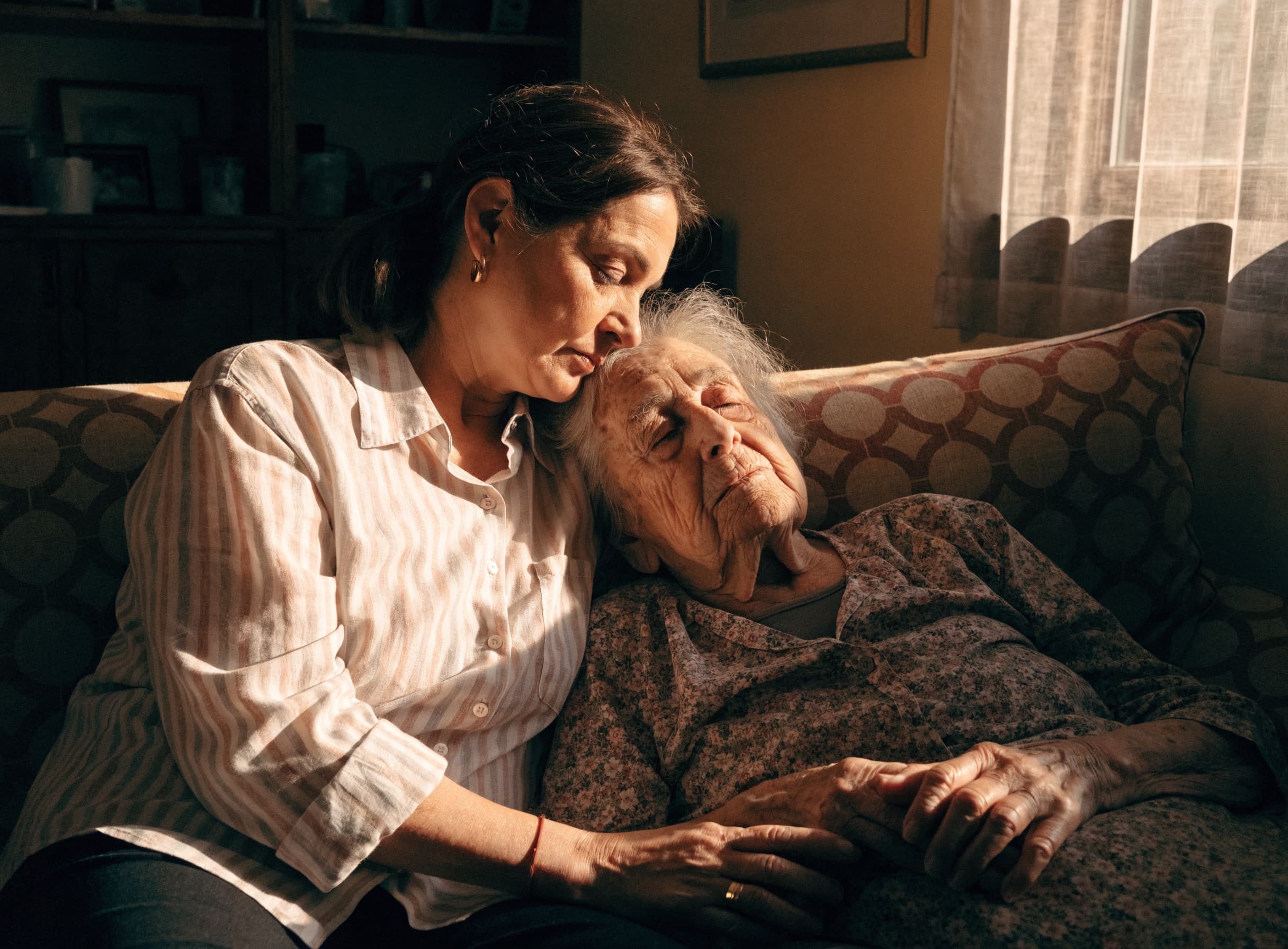
Most people, asked where they would want to be at the end of their life, say home. Making that possible takes more support than usual, arranged quickly, and it takes people who are steady and unhurried when a family is anything but.
The End-of-Life Pathway provides a higher level of support under Support at Home for people who are in the final months of life. It runs for up to 12 weeks, with the possibility of extension to 16 weeks, and is designed to be put in place fast — because at this stage, waiting is not neutral.
Nursing, medication support, pain and symptom management, and close monitoring — coordinated with your GP and palliative team.
Gentle, unhurried help with bathing, dressing, mouth care, positioning and comfort.
Practical guidance, someone to ask, and respite so those closest can rest without leaving anyone alone.
Equipment, assistive technology and small changes that make the home workable — a bed in the right room, the right chair, the right rails.
Companionship, and space for faith, prayer and the traditions that matter to your family.
Greek-speaking staff where you want them, and care that respects Orthodox practice at the end of life.
People in the final months of life
Where a clinical assessment indicates a limited prognosis.
People who want to be at home
Where remaining at home is the person's wish and can be safely supported.
Families needing more support
Where the care required has outgrown what loved ones can manage alone.
Determined through assessment
Eligibility for the pathway is confirmed by a My Aged Care assessor.
At this stage responsiveness matters more than process, and we treat it that way.
Alongside the GP, palliative care service and any specialists already involved.
Their wishes, their room, their routines, their faith — written down and respected.
Explaining what to expect, and making sure carers are not carrying this alone.
Consistent, familiar faces, so nobody has to explain the situation twice.
The End-of-Life Pathway is not a replacement for specialist palliative care. Palliative services lead symptom and medical management; this pathway funds the intensive in-home care, personal support and practical help that make staying at home possible. The two are designed to work together, and we coordinate with your palliative team.
Please just call us. You don't need to have the paperwork sorted, or know the right words for what you need — that's our job. We'll talk it through gently and move quickly.